
wall mounted vanity mirror with lights
Choosing the right materials for ball check valves is critical to ensuring their performance, durability, and reliability in industrial applications. These valves, designed to allow unidirectional flow and prevent backflow, are used in sectors ranging from oil and gas to water treatment and chemical processing. The material composition of the valve body, ball, and sealing components directly impacts its resistance to corrosion, temperature tolerance, and mechanical strength. This article explores material selection strategies for ball check valves , focusing on specific configurations such as 1 ball check valve , 2 ball check valve , and 4 ball check valve systems, while addressing common questions about their design and application. Understanding the Role of Material in Ball Check Valve Performance Ball check valves rely on a free-moving ball that seats against a sealing surface to block reverse flow. The choice of materials for the ball, valve body, and seat determines the valve’s compatibility with fluids, pressure ratings, and lifespan. For instance, stainless steel is widely used for its corrosion resistance, while polymers like PTFE (polytetrafluoroethylene) excel in chemical-heavy environments. In high-pressure systems, hardened alloys or ceramics may be required to prevent deformation of the ball or seat. Conversely, in low-pressure water systems, brass or PVC offers a cost-effective solution. Material selection must also account for temperature extremes: metals like titanium perform well in high-heat scenarios, while elastomeric seals may degrade if exposed beyond their thermal limits. Manufacturers producing ball check valves in bulk must balance performance requirements with material availability and cost-efficiency. Standardizing materials for common applications ensures consistency, while custom solutions cater to niche industries. Key Considerations for 1 Ball Check Valve Material Selection The 1 ball check valve , a single-ball design, is the most common configuration due to its simplicity and effectiveness. Material choices here prioritize fluid compatibility and mechanical resilience. Valve Body: Stainless steel (e.g., 316L) is ideal for corrosive fluids, while brass suits water and gas applications. Ball: Chrome-plated steel or silicon nitride (a ceramic) enhances wear resistance and reduces friction. Seat: PTFE provides a tight seal while resisting chemical degradation. For example, in marine environments, a 1 ball check valve with a 316L stainless steel body and PTFE seat resists saltwater corrosion. In contrast, a brass-bodied valve with a rubber seat might be used in residential plumbing. Bulk manufacturing of 1 ball check valve units often leverages these standardized materials to meet diverse industry needs without compromising quality. Optimizing Material Choices for 2 Ball Check Valve Systems The 2 ball check valve incorporates two balls in series, offering redundancy and enhanced backflow prevention. This design is common in critical systems where failure could lead to contamination or equipment damage. Material selection here must address increased mechanical stress and potential wear from dual-ball movement. Valve Body: Duplex stainless steel provides higher strength for high-pressure applications. Balls: Tungsten carbide or ceramic balls minimize wear in abrasive fluid environments. Springs (if applicable): Inconel alloys retain elasticity under cyclic loading. For instance, in hydraulic systems, a 2 ball check valve with tungsten carbide balls and a duplex stainless steel body ensures longevity despite frequent pressure surges. Bulk production of such valves requires precise material sourcing to maintain uniformity across large batches. Advanced Material Solutions for 4 Ball Check Valve Applications The 4 ball check valve , a complex configuration with four balls, is engineered for ultra-high-pressure or multi-directional flow control. These valves demand advanced materials capable of withstanding extreme operational stresses. Valve Body: Super alloys liketitanium is used in aggressive chemical or high-temperature environments. Balls: Silicon nitride or zirconia ceramics offer superior hardness and thermal stability. Seals: PEEK (polyether ether ketone) withstands temperatures up to 250°C and aggressive chemicals. In aerospace fuel systems, a 4 ball check valve with a titanium body and ceramic balls ensures reliability under rapid pressure changes. Manufacturers producing these valves in bulk collaborate closely with material suppliers to ensure traceability and compliance with industry standards. FAQs About Ball Check Valve Material Selection What materials are recommended for a 1 ball check valve in high-temperature environments? Stainless steel (grade 316 or 304) is ideal for the valve body, while ceramic balls and PEEK seals ensure thermal stability up to 400°C. How does material choice affect the lifespan of a 2 ball check valve? Durable materials like tungsten carbide balls and duplex stainless steel reduce wear, extending the valve’s lifespan even under cyclic pressure conditions. Can a 4 ball check valve handle corrosive chemicals? Yes, using super alloys like PTFE seals ensures compatibility with acids, alkalis, and solvents. Is brass suitable for a 1 ball check valve in potable water systems? Absolutely. Brass offers excellent corrosion resistance in water applications and meets NSF/ANSI standards for drinking water safety. Why are ceramic balls used in high-end ball check valves? Ceramics provide unmatched hardness, reducing friction and wear while maintaining performance in abrasive or high-pressure scenarios. Material selection for ball check valves is a science that balances operational demands, environmental factors, and economic feasibility. Whether designing a 1 ball check valve for residential use or a 4 ball check valve for industrial extremes, understanding material properties ensures optimal performance. Manufacturers specializing in bulk production prioritize standardized, high-quality materials to deliver reliable valves that meet global industry standards. By aligning material choices with application requirements, end-users achieve longevity, safety, and efficiency in their fluid control systems.
about
wall mounted vanity mirror with lights
Tipi di Valvole di Controllo Una Guida Completa Le valvole di controllo sono dispositivi fondamentali in molti sistemi industriali e commerciali, poiché regolano il flusso di fluidi e gas in modo preciso e affidabile. Esistono diversi tipi di valvole di controllo, ciascuna progettata per soddisfare specifiche esigenze operative. In questo articolo, esploreremo i principali tipi di valvole di controllo, le loro caratteristiche e le applicazioni più comuni. 1. Valvole a sfera Le valvole a sfera sono tra le più diffuse per il controllo del flusso. Caratterizzate da una sfera cavo che ruota per aprire o chiudere il passaggio del fluido, offrono una bassa resistenza al flusso e una buona capacità di tenuta. Queste valvole sono particolarmente adatte per applicazioni che richiedono un'azione rapida e una tenuta affidabile. 2. Valvole a farfalla Le valvole a farfalla utilizzano un disco rotante per regolare il flusso del fluido. Sono leggere, compatte e offrono un eccezionale controllo del flusso, riducendo la perdita di carico. Queste valvole sono spesso utilizzate in applicazioni con grandi volumi di flusso, come nei sistemi HVAC e nelle condutture di grandi dimensioni. 3. Valvole di regolazione Le valvole di regolazione sono progettate per mantenere il flusso o la pressione a un livello predeterminato. Queste valvole possono essere operati manualmente o automaticamente, in base alle esigenze del sistema. Sono essenziali in applicazioni chimiche e di processo, dove è necessario monitorare e controllare con precisione le variabili operative. various types of control valves 4. Valvole a globo Le valvole a globo sono ideali per applicazioni che richiedono un controllo preciso del flusso. Hanno un design che consente un’ottima regolazione della portata, rendendole adatte per l'uso in sistemi di alimentazione e distribuzione. Anche se possono presentare una maggiore resistenza al flusso rispetto ad altri tipi di valvole, la loro capacità di regolazione le rende una scelta popolare. 5. Valvole di sicurezza Queste valvole sono progettate per proteggere i sistemi da sovrapressioni. Operano automaticamente per aprirsi quando la pressione supera un certo livello, consentendo al fluido di fuoriuscire e prevenendo danni alle attrezzature. Sono cruciali in impianti industriali, dove la sicurezza è una priorità. Applicazioni delle valvole di controllo Le valvole di controllo trovano applicazione in una vasta gamma di settori, tra cui quello chimico, petrolifero, energetico, HVAC e alimentare. Sia che si tratti di regolare la temperatura in un impianto di produzione, di mantenere pressioni stabili in un sistema di distribuzione o di gestire flussi di liquidi in una raffineria, le valvole di controllo sono essenziali per il buon funzionamento di questi processi. Conclusione La scelta del tipo di valvola di controllo giusta dipende da vari fattori, tra cui la natura del fluido, la pressione e la temperatura del sistema, nonché dalla precisione richiesta nel controllo del flusso. Conoscere le diverse tipologie di valvole e le loro applicazioni può aiutare ingegneri e tecnici a fare scelte informate, assicurando l’efficienza e la sicurezza delle operazioni industriali. Sia che si tratti di una valvola a sfera o di una valvola di regolazione, ogni tipo ha il suo ruolo cruciale nell’ottimizzazione dei sistemi di controllo.
-

High quality industrial productsagement

High quality industrial products
View Details -

Meet the diverse needs of customers

Meet the diverse needs of customers
View Details -

Strict quality control

Strict quality control
View Details -

Top raw materials

Top raw materials
View Details -

Trusted supplier

Trusted supplier
View Details
Our application


news and information

Van cầu cân bằng cho hệ thống ống dẫn hiệu quả cao và bền bỉ
Van Bi Cân Bằng Giải Pháp Tối Ưu Cho Hệ Thống Ống Nước Trong ngành công nghiệp hiện đại, việc kiểm s
Venta horizontal
Título La Venta de Niveles Una Oportunidad Única En el mundo actual, donde la competencia es feroz y
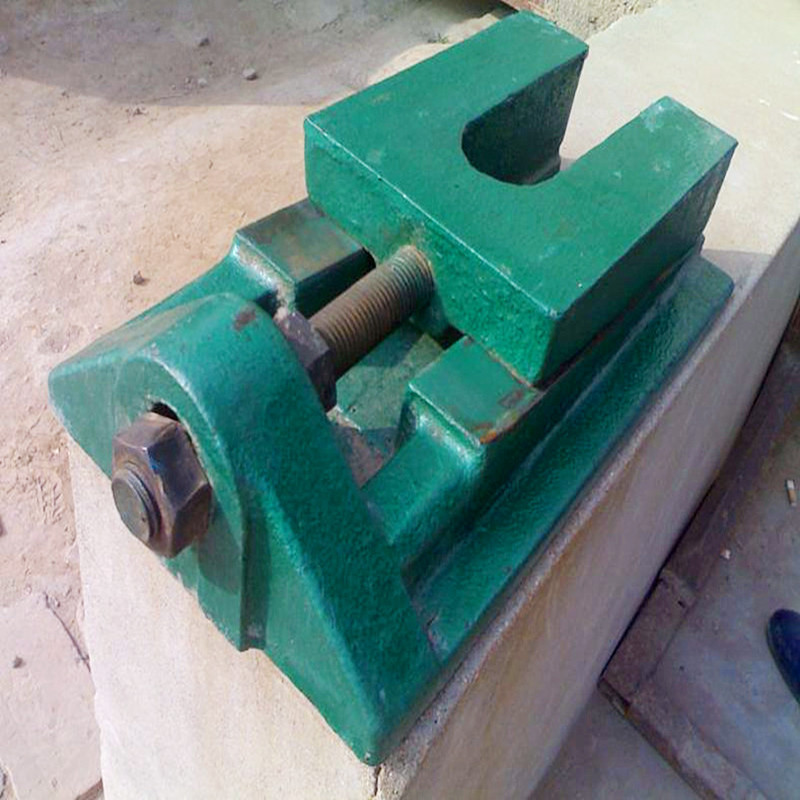
Vanne à guillotine de 8 pouces pour applications industrielles et de plomberie
Vannes à Panneau Couteau de 8 Pouces Un Équipement Essentiel pour l'Industrie Les vannes à panneau
 English